
Ballestas Islands penguins and wildlife from the boat
Ballestas Islands penguins are Humboldt penguins, part of the wildlife associated with the rocky islands off Paracas in Peru. Sea lions and guano birds add different subjects to the same boat visit. Ballesta Norte, Ballesta Centro and Ballesta Sur belong to the RNSIIPG marine reserve. Visitors watch the shores and rock formations from the water; passengers must not land on the islands.
The useful choice is between time on the boat and a longer coastal programme. A guided group cruise focuses on the islands, while a combined outing adds the separate Paracas National Reserve on the mainland. The boat tour comparison covers other departure formats, and the arrival guide explains how to reach the correct pier.
Our picks: wildlife from the water
Choose a shorter shared boat trip for time on the water. The longer combination adds guided wildlife viewing and the mainland reserve.
Hand-picked tours, booked through GetYourGuide and Viator. Prices are indicative starting prices in US dollars (as of November 2026). Tap a tour for live availability and the current price in your currency.
Ballestas wildlife and Paracas Reserve
- Ballestas Islands boat tour
- Reserve and islands tickets
- Port boarding fee
The six-hour combination includes guided wildlife viewing and stops along the mainland coast.
Check availability →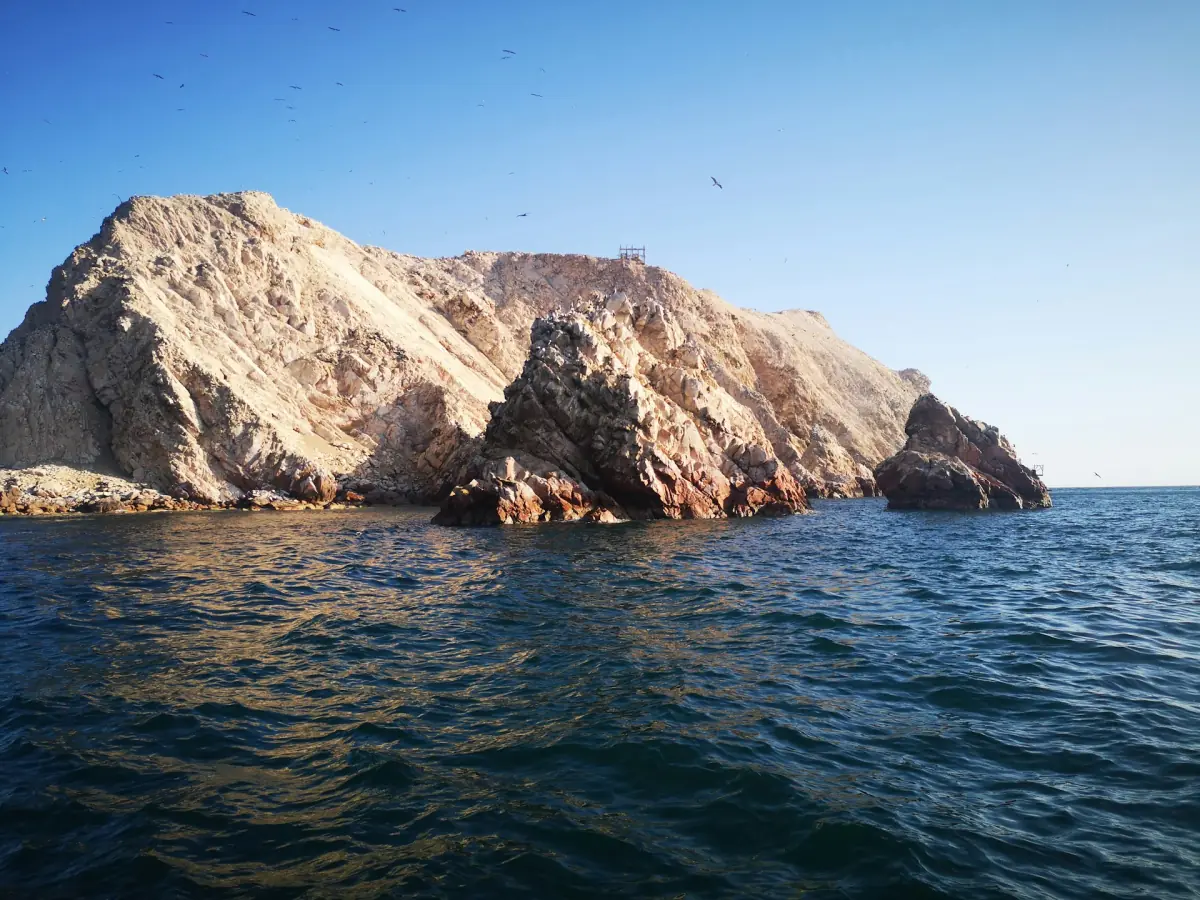
Ballestas wildlife by boat
- Group tour boat
- Bilingual tour guide
- Lifejacket
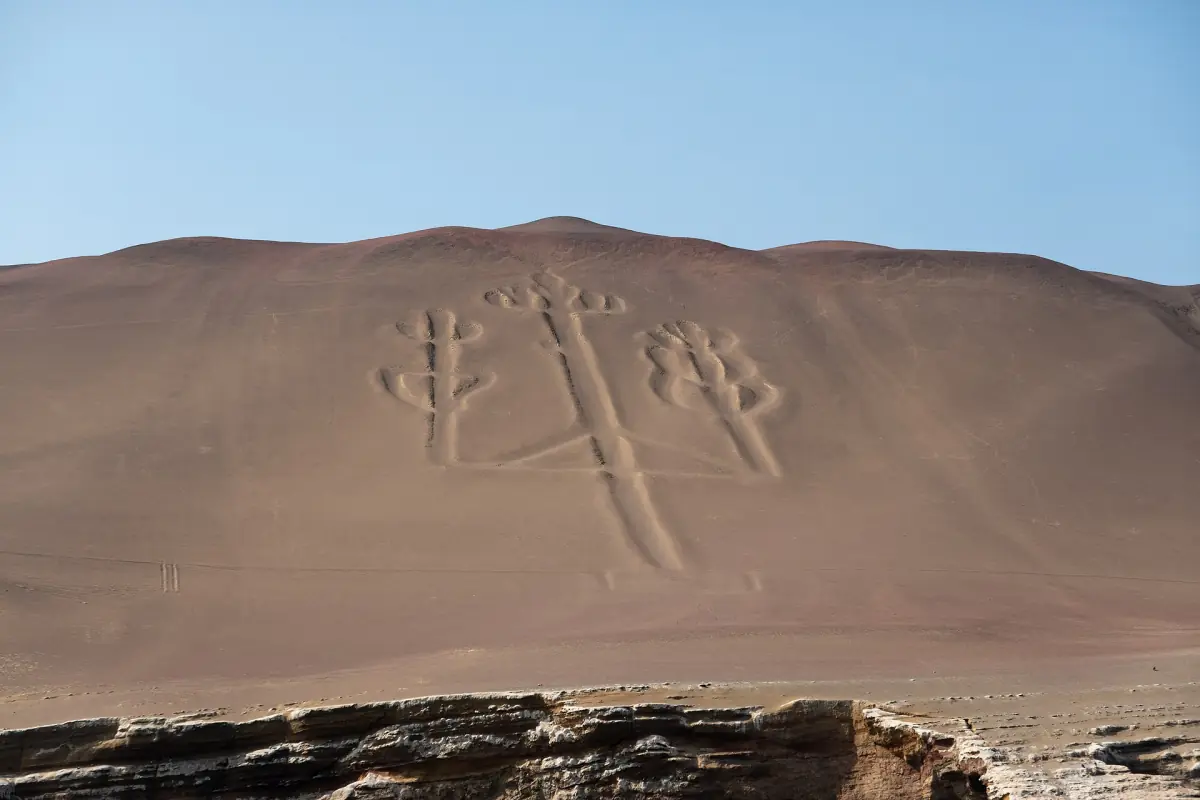
The 1.5-hour trip passes the Candelabra. Tourist and entrance fees are extra.
Check availability →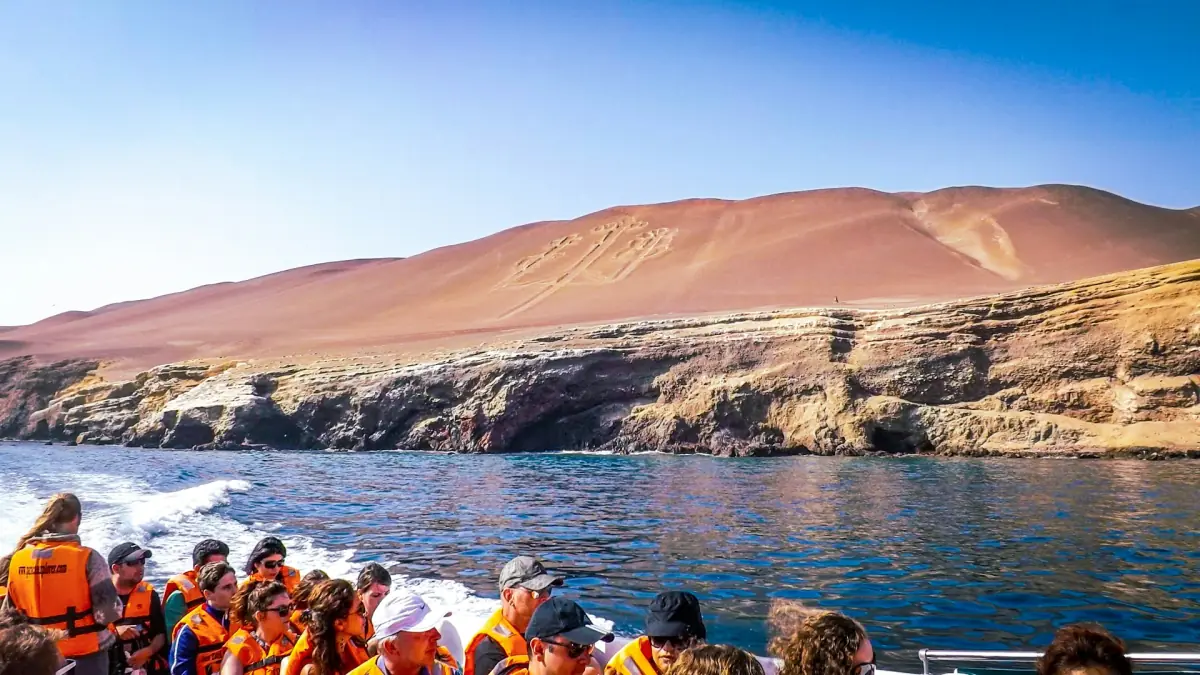
Guided Ballestas Islands boat trip
- Speedboat trip
- Life jacket
- English and Spanish-speaking guide
Allow 120 minutes for this boat trip; conditions at sea can affect departures. Rated 4.3 from 41 reviews.
Check availability →Guided boats for penguins, sea lions and seabirds
Choose a short shared cruise with a bilingual guide or a six-hour island and mainland outing with guided wildlife viewing and admission included.
Humboldt penguins on the rocky shoreline
Humboldt penguins inhabit rocky coasts and island colonies in Peru and northern Chile. The Ballestas fauna guide describes this coastal range, which helps explain why penguins belong in a visit to this part of Peru. Look towards the rocks as the boat follows its route, rather than expecting a walk through a penguin colony.
A penguin encounter is wildlife observation, with the animals deciding where they are visible. Plan to enjoy the whole shoreline rather than building the day around a fixed number of birds. The six-hour boat and reserve programme expressly includes guided viewing of Humboldt penguins, sea lions and guano birds. The shorter cruises provide a guided island visit without a dedicated penguin-only programme.
South American sea lions
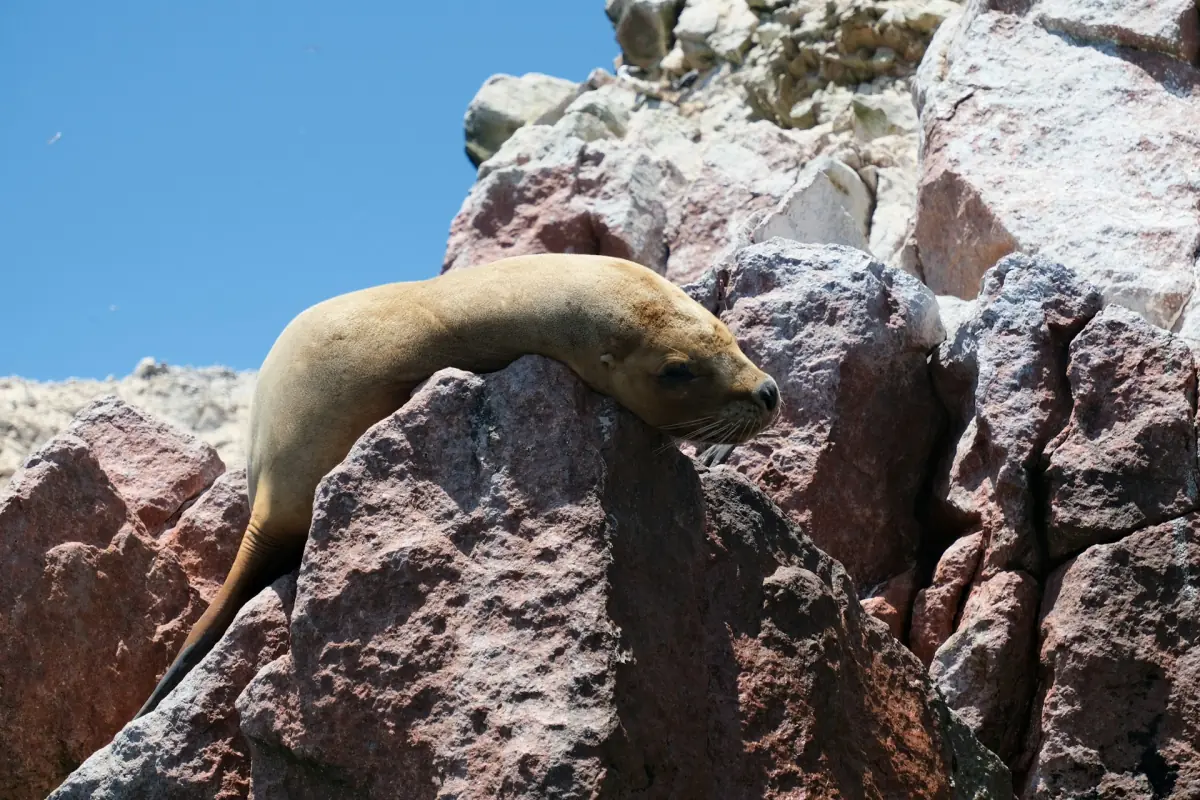
South American sea lions are another characteristic subject of a Ballestas boat visit. The rocky coast is viewed from the vessel, so the experience is watching animals in their habitat rather than approaching them on land. Keep food away from the animals, avoid loud noises and stay seated while the boat is moving.
The sea-lion stop belongs to the same island route as the seabirds. A separate swimming session is not part of the experiences described here. Photographs should come from the boat's permitted position, without encouraging the crew to move closer or disturbing resting animals for a better picture.
Guanay cormorants and Peruvian pelicans
Guanay cormorants and Peruvian pelicans connect the Ballestas wildlife landscape with the islands' guano history. The fauna guide describes anchoveta as food for the cormorants and flat island surfaces as nesting places. These are useful things to look for across the rock surfaces as well as along the waterline.
Historical guano collection and processing infrastructure is also described in the February 2023 visitor brochure. Treat that as part of the view from the water, rather than a visit inside working facilities. Birdwatching here shares the regular boat route with other visitors; species counts and breeding activity should remain observations made on the day.
Observation and photography from the boat
Ballestas photography takes place from a moving boat, with a life jacket worn throughout the trip. Bring sun protection, sunglasses and a hat, with a wind jacket for the crossing. Remain in your seat and avoid sudden movements when turning towards a bird or sea lion. Take litter back to the mainland.
For limited time, the 1.5-hour shared cruise suits an island-focused visit; for wildlife interpretation plus mainland scenery, the six-hour combination adds the reserve and photography guidance. The shared cruise includes the Candelabra boat passage, an English- and Spanish-speaking guide and a life jacket, with its tourist entrance fee extra. The 120-minute guided speedboat option also includes a life jacket and a bilingual guide.
The six-hour combination includes both protected-area tickets and the port boarding fee. Its mainland part is explained on the Paracas reserve combination page. Sea conditions can affect the boat programme, so use the weather and timing guide when arranging the rest of the stay.
Ballestas wildlife questions
Can visitors walk among the penguins?
No. Ballestas Islands penguins are observed from the boat, and passengers must not land on the islands. The protected shoreline is the animals' habitat. Choose a guided cruise for the island visit and a separate mainland reserve component if a land excursion is also wanted.
Which trip includes a wildlife interpretation component?
The six-hour Ballestas and Paracas reserve combination includes guided viewing of Humboldt penguins, sea lions and guano birds, plus environmental and geological interpretation. Its inclusions also cover both protected-area tickets and the port boarding fee. The other choices are shorter guided island cruises.
Are penguin and sea-lion sightings guaranteed?
No. Ballestas penguins and sea lions are wild animals, and the visit has no fixed sighting quota. Enjoy the island formations and seabirds as part of the same outing. Boat operation also depends on weather and navigation conditions, with cancellation arrangements governed by the booked terms.